
FrequeNtly Asked Questions
What to know Before You ComE ASHORE
How do I get to Rose Island?
1
Rose Island is accessible by boat only. Visitors arrive via the Jamestown–Newport Ferry (May 16-October 12), small watercraft able to pull up on the beach (kayaks/inflatables only), or our private boat Rose. Landing fees are included for Ferry and Rose transport. This fee is waived for members.
When can I visit the Rose island?
2
The island is open to the public daily May 16-October 12 from 10:00 AM – 4:00 PM. Overnight guests, events, and tours are generally welcomed April-November, depending on the season. Please visit our overnight bookings calendar or contact us for more information on specific shoulder-season dates.
The island also serves as an active wildlife sanctuary, and during bird nesting season (March 1 through August 15), walking around the island is limited to the main area of the lighthouse, including the two beaches adjacent to the lighthouse and the barracks. After August 15, guests are invited to access the entire island at their own risk, while being mindful of nature.
What kind of experience is Rose Island?
3
Rose Island is a historic, off-grid property operated by a nonprofit foundation. It is not a traditional tourist destination, but a preserved coastal site focused on history, nature, and sustainability.
A visit here is intentionally simple and immersive. There is no Wi-Fi, limited electricity, and water is collected from rainfall. There is also no full food service, so visitors should plan to bring what they need. Visitors are expected to follow a Carry In–Carry Out policy, taking all trash and recycling with them when they leave. In return, you’ll experience something increasingly rare—quiet, open space, and a slower pace shaped by weather, wildlife, and the rhythms of the harbor.
The island is also an active wildlife sanctuary, home to seabirds and other coastal species. During bird nesting season (March 1 through August 15), access to certain areas is limited to help protect these habitats.
Visitors can explore the lighthouse and Barracks museums, watch birds and passing boats, spend time on the beaches, and learn from Island Guides during the season.
What is expected of visitors to Rose Island?
4
All who visit Rose Island share in the responsibility of caring for this historic and environmentally sensitive place.
The island functions as a living museum, environmental refuge, and educational destination, welcoming thousands of visitors each year to experience one of Rhode Island’s most significant historic landscapes. It is also an active wildlife sanctuary, home to seabirds and other coastal species, with certain areas protected during nesting season to ensure their safety.
As a visitor, you play a vital role in that mission. This includes following our Carry In–Carry Out policy, conserving limited resources such as water, respecting wildlife and protected nesting areas, and being mindful of shared spaces and other visitors.
Rose Island is not a typical destination—it is a preserved site, a working wildlife sanctuary, and a community-supported resource. Its continued care depends on the actions of everyone who steps ashore. By visiting thoughtfully and respectfully, you are helping ensure that Rose Island can be protected, maintained, and experienced by others for generations to come.
Visitor Info
Rose Island is a historic, off-grid destination open to both day visitors and overnight guests. Conditions on the island are intentionally simple and shaped by its natural environment.
All visitors are asked to review the FAQs prior to their visit to ensure a safe and enjoyable experience. The information below applies to all visitors.
If you are planning an overnight stay, please also review our additional Overnight Guest FAQs and policies.
-
Yes. Bathroom facilities are available on the island, though they are simple and reflect our off-grid systems. Most visitors will use outhouse-style restrooms, while select indoor facilities are available to some overnight guests, depending on the room booked.
Water on Rose Island is limited and collected from rainfall. To help preserve this supply, all visitors are expected to follow our Tinkle Tally System: three pees equals one flush, and one poo equals a flush. Each flush uses approximately one gallon of collected rainwater. By following this system, visitors help conserve thousands of gallons of water each year and ensure that Rose Island can remain open and sustainable throughout the season. Your cooperation is expected and appreciated.
-
Rose Island is an off-grid property primarily powered by solar. Electricity is limited and not available in all areas. There is no Wi-Fi on the island, though cell service is generally reliable. Visitors are encouraged to take this opportunity to disconnect.
-
Visitors should bring any food, drinks, and personal items they may need during their visit. There is no food service on the island.
A small gift shop operates on an honor system and offers a limited selection of snacks, sundries, and curated memorabilia and locally made art, but it should not be relied on as a source of supplies as inventory is not guaranteed.
Visitors must carry in - carry out all supplies, trash, and recycling.
-
Visitors are encouraged to come prepared for a coastal, outdoor environment. Comfortable walking shoes are important due to uneven terrain, closed-toed shoes and layers are recommended as weather conditions can change quickly. Sun protection, bug spray, and a flashlight or headlamp can also be helpful, especially later in the day.
-
Should I visit Rose Island with someone else?
Visitors are encouraged to come with a friend or companion. Rose Island is a remote outdoor environment with uneven terrain, changing weather conditions, and limited services; having someone with you can make the experience safer and more enjoyable.
For overnight stays, a minimum of two people must be present on the island at all times for safety reasons. This may include guests from multiple reservations. If a booking would result in a single individual on the island, it may be adjusted, rescheduled, or canceled.
-
Rose Island is an active wildlife sanctuary. During bird nesting season (March 1 through August 15), walking is limited to designated areas, including the lighthouse grounds, barracks, and adjacent beaches. After August 15, visitors are invited to explore the full island. Please respect all posted signs and avoid disturbing wildlife.
-
Yes. Island Guides are available during public open hours to share the history of Rose Island and answer questions.
Visitors are welcome to explore at their own pace and engage with staff throughout their visit.
-
Yes. A saltwater fishing license is required to fish on Rose Island and can be obtained through the Rhode Island Department of Environmental Management (RIDEM).
-
Rose Island is not handicapped accessible. Visitors must be in good physical condition and capable of climbing stairs, walking uphill on uneven ground, boarding a small boat, and walking moderate distances.
The island is not suitable for children under 5 years old.
-
Yes, visitors may arrive by personal watercraft; however, use of the dock is not permitted. The dock is reserved for emergency or authorized vessels. “Touch-and-go” docking is not permitted under any circumstances.
Small, non-motorized low-impact watercraft—such as kayaks, RIBs, or similar vessels—may land on the beach to the right of the dock during open hours. Please take care not to disturb the sensitive shoreline habitat when landing and securing your craft.
All visitors arriving by private watercraft are required to notify the Island Guide on duty and pay the per-person landing fee upon arrival.
-
In case of emergency, please call 911.
For non-emergency questions, Island staff may be available on-site during open hours or you can reach the office at info@roseisland.org (M-F 9am-3pm).
Things To Do
Discover the island through stories
Island Guides are available daily to share the rich history of Rose Island. Explore the lighthouse and Barracks museums, learn how the island operates as a self-sustaining, off-grid property, and—with care—climb to the light and gallery for unforgettable views.
Take a Tour

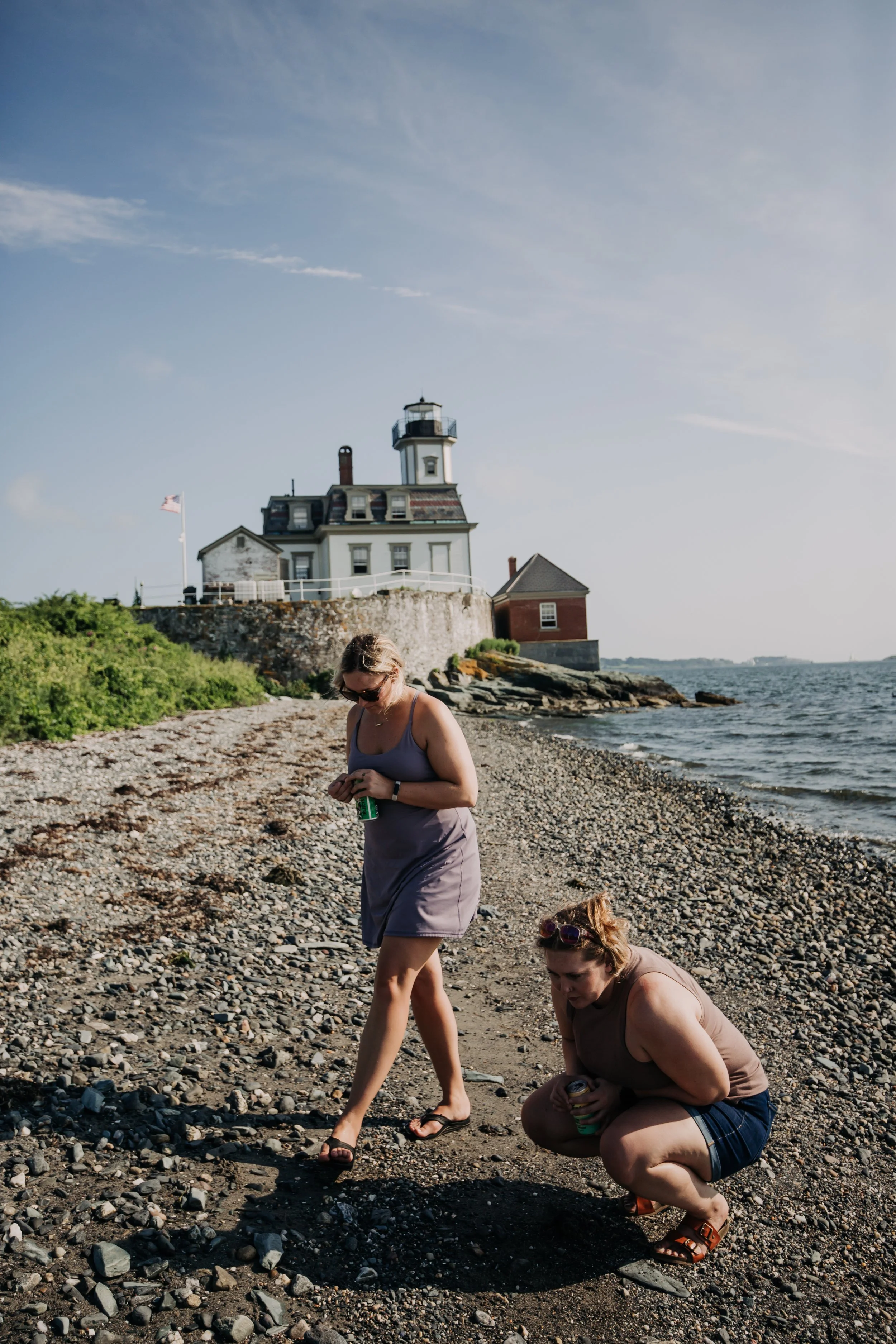
Swim, beachcomb, and unwind
Stroll the beaches, search for shells and sea glass, or take a refreshing swim. It’s a simple, peaceful way to experience the island.
The Beaches
Experience the harbor up close
Watch boats pass through Narragansett Bay or, for overnight guests, enjoy kayaking along the shoreline. Life jackets are required at all times.
On the water

Relax, explore, and take it all in
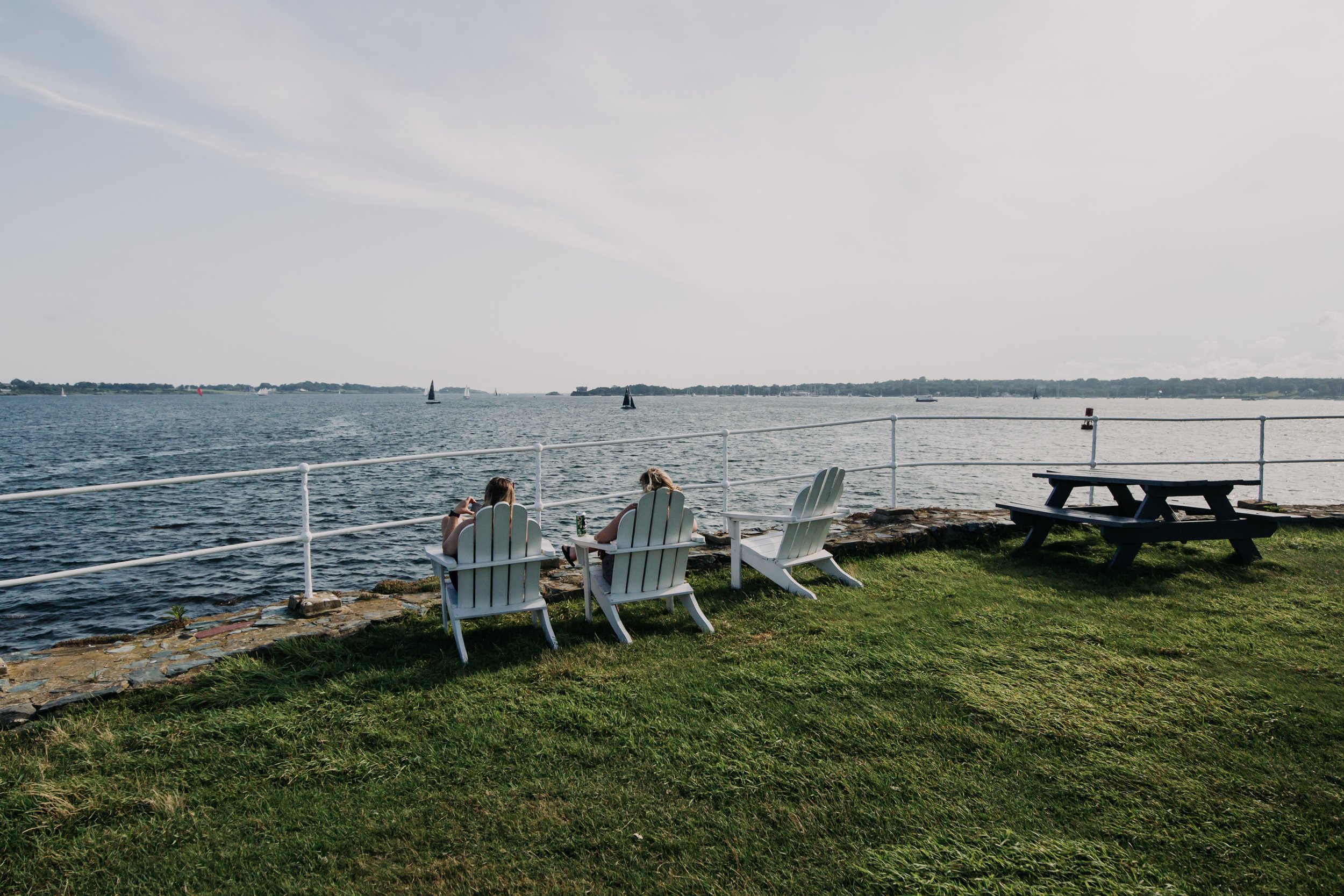
Spread out a picnic (watch for the birds!), play your own lawn games, or unwind in an Adirondack chair overlooking the water. Guests are welcome to explore designated areas of the island by foot—please note that access is limited during bird nesting season (March 1–August 15).
Enjoy the Grounds
Disconnect to reconnect
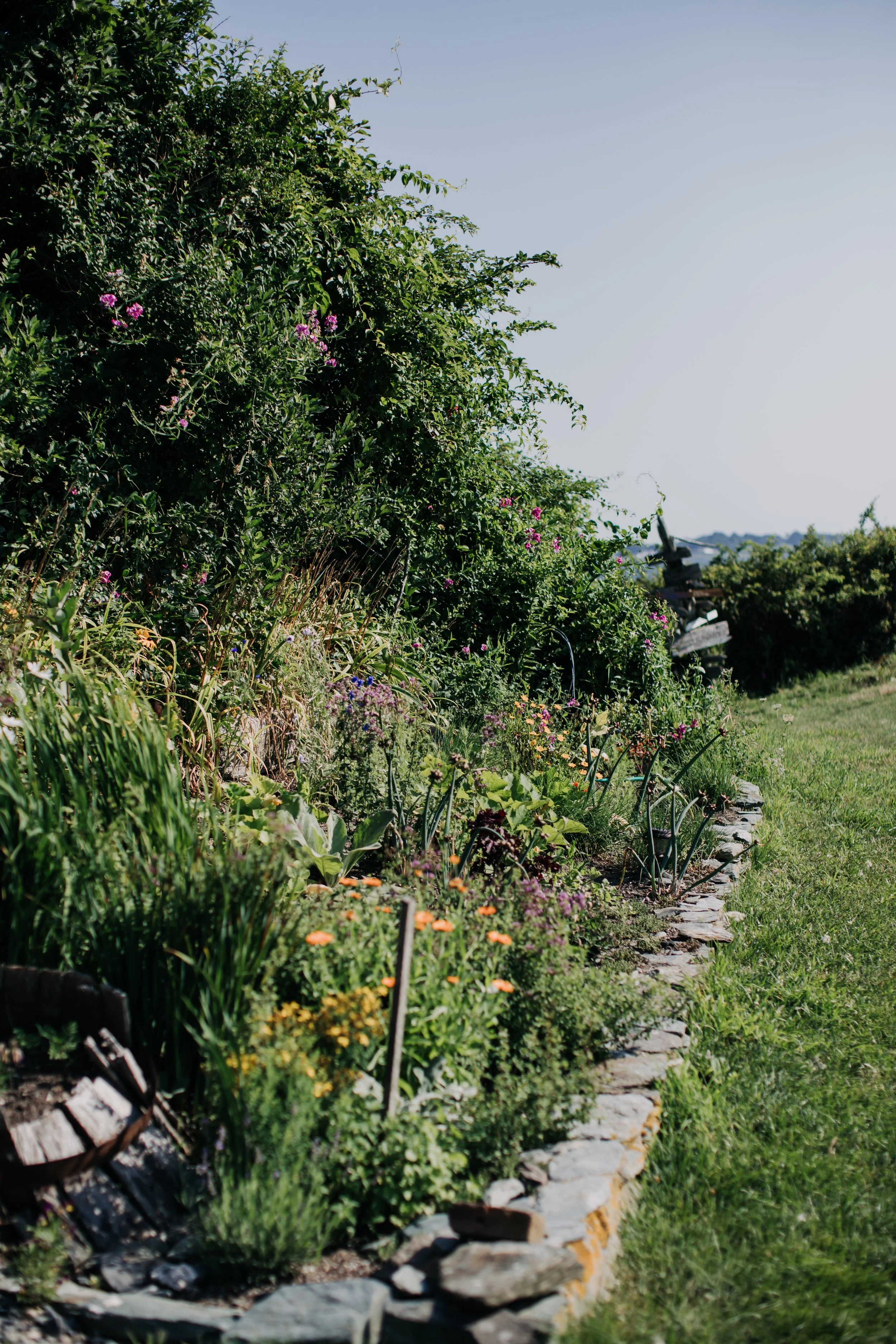
With no Wi-Fi and limited electricity, Rose Island offers a rare chance to step away from distractions and enjoy an unspoiled natural habitat.
Unplug & Unwind
Bring Rose Island back with you
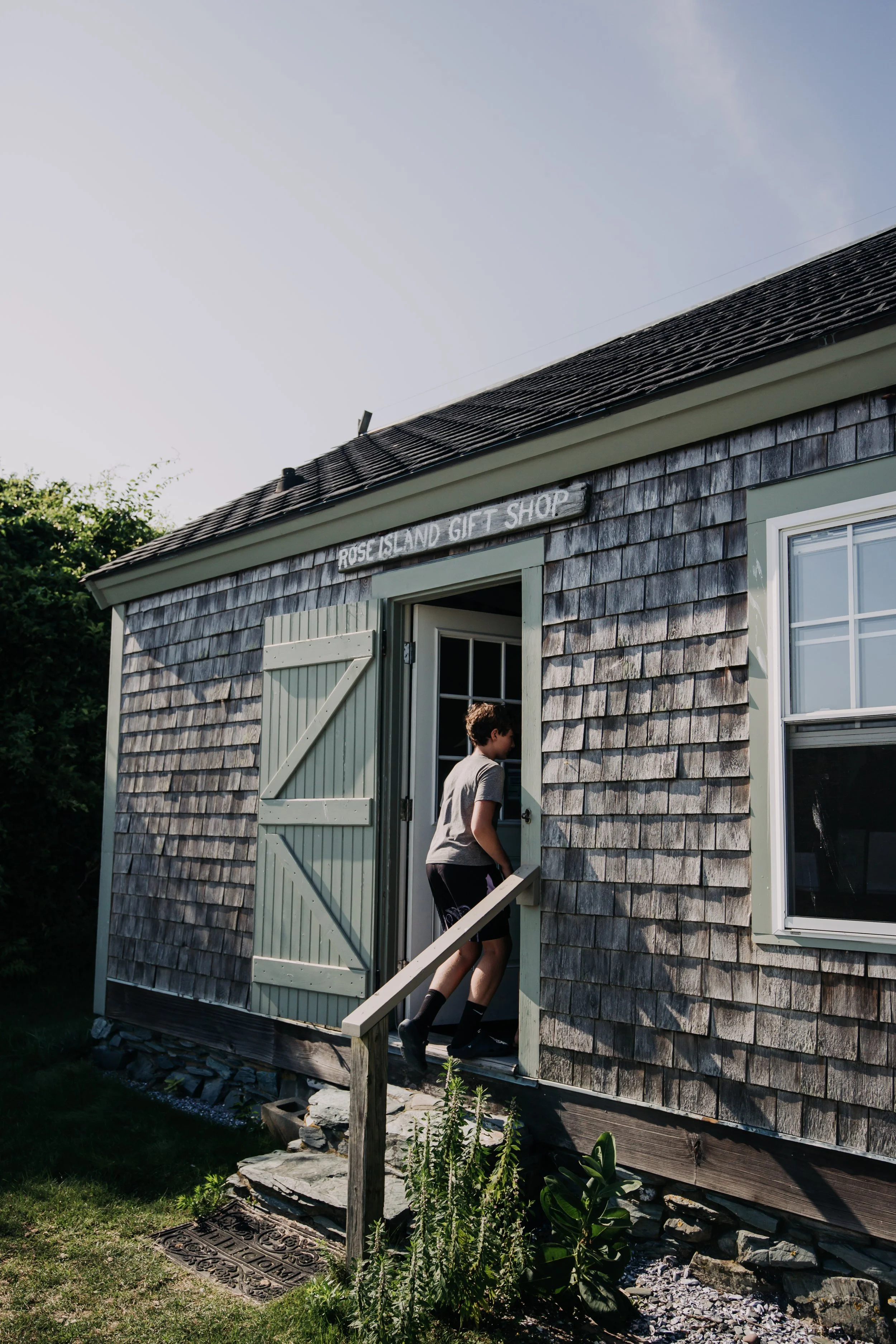
Stop by our honor-system shop for postcards, books, snacks, small essentials, and a curated selection of memorabilia and locally made art. Every purchase directly supports the preservation of Rose Island.
Gift Shop
Island Policies
All who visit Rose Island share in the responsibility of caring for this historic and environmentally sensitive place. We ask everyone to act with respect for the island, its wildlife, and one another.
Additional policies apply to overnight guests. Please review those here.
-
Rose Island is both a public destination and an overnight accommodation. Guests are asked to be mindful of shared spaces, respect posted boundaries, and be considerate of others enjoying the island.
Please help maintain a clean, welcoming environment for all.
-
Leave no trace. All guests are asked to strictly observe our Carry In–Carry Out policy. Please take all belongings, trash, and recycling with you when you leave the island.
Always pick up any litter or items that may cause harm to marine animals and wildlife. Your stewardship is essential to preserving the island for future visitors.
-
Rose Island is an active wildlife refuge.
During bird nesting season (March 1 through August 15), walking is limited to designated areas, including the lighthouse grounds, barracks, and adjacent beaches. After August 15, guests may explore the full island.
At all times, please respect all posted signs and do not disturb wildlife.
-
The dock is only for use by Rose and the Jamestown–Newport Ferry.
Small watercraft may land on designated beaches during public open hours, landing fee applies.
-
Swimming is permitted from the island’s beaches; however, there are no lifeguards on duty. All swimming and water activities are at your own risk.
-
Smoking is not permitted anywhere on Rose Island, including all beaches, grounds, buildings, dock areas, and aboard Rose. This includes cigarettes, cigars, pipes, e-cigarettes, and vaping devices.
The use of live flame (matches, candles, sterno, etc.) is strictly prohibited on the island (exception: designated uses such as the Foghorn Room wood stove and approved fire pit areas).
-
All visitors are responsible for their own safety while on the island. Terrain may be uneven, and conditions may change quickly. Please use caution when walking, climbing, or exploring.
-
In case of emergency, please call 911.
-
Rose Island is a preserved historic site and a working wildlife refuge. Its continued care depends on the actions of every visitor.
We ask all guests to act with care, respect, and awareness—leaving the island as they found it, respecting others’ experience, and helping protect this unique place for generations to come.